
Las Vegas is gaining ground in the fight for the title of America’s steakhouse capital
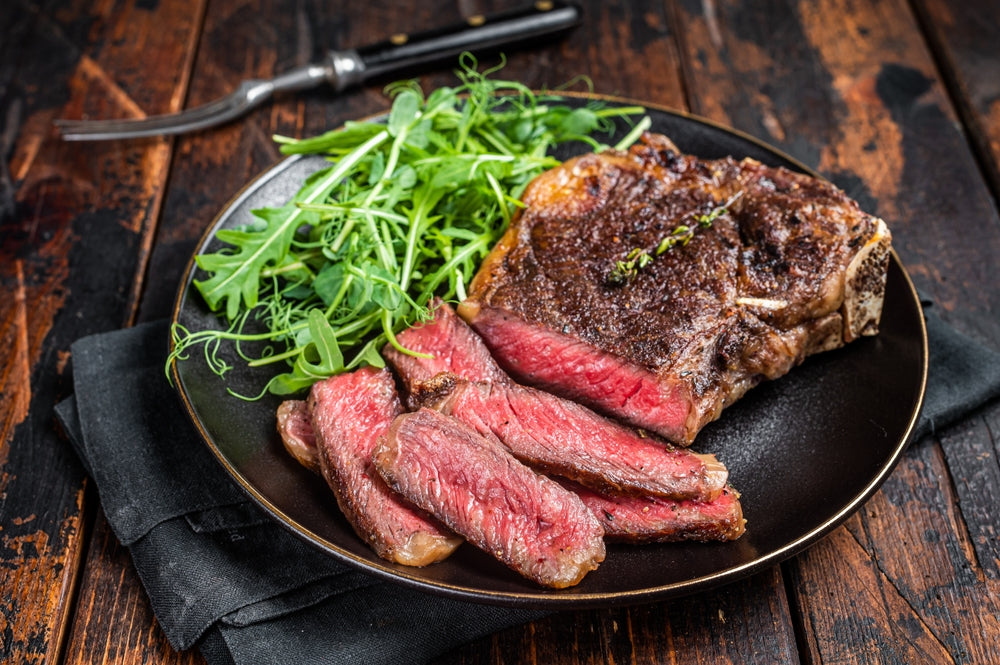
At The Venetian Las Vegas complex, steakhouses turn up literally every few hundred feet, and many of them bear the names of celebrity chefs and restaurateurs. That density doesn’t feel like a one-off quirk of a single resort; it comes across as the citywide norm, sustained by casinos and tourist traffic.
The news peg is becoming clearer. By venue density and the pace of new openings, Las Vegas is increasingly competing with New York City, which for decades was considered the main American benchmark for the classic steakhouse.
The numbers that make the competition visible
Both cities have at least 100 steakhouses, but the scale of demand is distributed differently. Las Vegas is home to about 650,000 people and sees around 40 million tourists a year, whereas New York City has 8.5 million residents and around 65 million visitors annually.
What matters is consumption density. Vegas sees disproportionately high steak demand thanks to short trips, celebratory occasions, and a leisure model where dinner is often planned as a standalone event on par with a show.
From working-class taverns to ostentatious luxury
Historically, the steakhouse began far from being a temple of plenty. The concept originated in London, where meat taverns served the working class, and in the U.S. in the 19th century it took hold as straightforward, filling food for blue-collar diners.
By the 1970s, in many cities the steakhouse had gained a reputation as an outdated format, too straightforward against the backdrop of new restaurant fashion. Today the industry speaks of a new golden age, and growth is supported by several factors at once, including a cult of premium cuts, interest in meat aging, and turning service into a theatrical ritual.
Why Las Vegas—and what casinos have to do with it
Golden Steer co-owner Amanda Signorelli explains the local roots of the genre this way. According to her, the tradition goes back to the city’s cowboy past, and steakhouses were made central by Las Vegas’s evolution into a space of abundance and celebration, where the meal functions as part of the festivities.
Las Vegas Review-Journal restaurant critic Jonathan Wright links the genre to the development of hotel and casino infrastructure. He notes that steakhouses were present already in the early years of the Strip’s formation in the 1940s, and then became part of the culture of entertainment and casinos, including the practice of comps—that is, free food and drinks for high-value players—which still persists today.
Las Vegas Convention and Visitors Authority spokesperson Kate Wick emphasizes that today’s scene is fueled by top chefs from around the world, and lists among notable venues PRIME at Bellagio, Peter Luger Steak House at Caesars Palace, SW Steakhouse at Wynn, and Barry’s Downtown Prime at Circa Resort, alongside enduring classics like Golden Steer.
Why the title of steakhouse capital matters for Las Vegas
The world of gambling today is the world of online casinos. This is a reality that is hard to deny. Land-based casinos are no longer the foundation of a good night out, but only part of the program for most tourists. Indeed, they can gamble at home on their computer. Moreover, online casinos give them the opportunity to use bonuses and choose from a wide selection of games. The last factor is the most important for most players.
Online casinos offer visitors familiar gambling entertainment, such as roulette, slots, and card games. But over the past few years, several fundamentally new mechanics have also appeared—from Plinko to arcade-style crash games such as Aviator, Jet X, Aviatrix, Lucky Jet. On information sites from the top search results, we found information that players are increasingly choosing the new releases, especially crash games. A casino review site where you can play Aviatrix game confirms these data. According to the site’s authors, traffic increases by 10–15%.
Even the most popular Las Vegas casinos can’t match those numbers. In order to maintain tourist traffic, the city is developing not only gambling but also other areas, for example, event tourism and culinary tourism.
Classics off the Strip and Golden Steer as a city myth
Traditional Las Vegas steakhouses are more often local and are frequently located off the Strip. Their appeal rests not on experimentation, but on repeatable rituals and confidence in the canon.
The calling card of this format typically includes:
- service with an emphasis on ceremony, including tableside Caesar salad preparation
- a retro-Vegas interior with dark wood and dim lighting
- a simple menu logic, where the main argument is the quality of the meat and the precision of the doneness
Golden Steer, opened in 1958, is considered the city’s oldest steakhouse and one of the best-known old-school spots. The venue’s legend features the names of Marilyn Monroe, Muhammad Ali, Frank Sinatra, James Dean, Elvis Presley, and Nat King Cole, and in the dining room, nostalgia and impeccably honed service work in tandem.
A separate piece of news for the market is that Golden Steer plans to open a location in late fall 2025 in the Greenwich Village area of New York City, and this is a rare reversal, with a Vegas classic exporting itself to a city with its own pantheon of steakhouse names.
Among other enduring options Downtown, Oscar’s Steakhouse stands out. The venue is named after former mayor Oscar Goodman and is perceived as one of the center’s clear reference points.
Hugo’s Cellar also operates there, where old-school style is a guiding principle, from the manner of service to the overall brand aesthetic, which looks deliberately dated and therefore recognizable.
The Steak House at Circus Circus on the Strip is considered an exception geographically. Dark wood, green walls, red leather booths, and waiters in tuxedos assemble the classic image of the genre around ribeye and porterhouse.
New luxury on the Strip and hybrids that change the rules
The modern Vegas steakhouse more often works as a stage for an expensive evening and a high-roller’s budget. Recognizable signs of this layer look like this:
- a celebrity chef’s or brand name as a marketing anchor
- design intended for maximum impact and photos
- a strong wine and cocktail program as part of the bill
- an expanded menu with an emphasis on aging and premium breeds
Delmonico Steakhouse at The Venetian, an Emeril Lagasse project, has been operating since 1999 and combines the American canon with the spices and temperament of New Orleans. Lagasse himself explains the durability of the formula by refusing to repeat himself. “I think a big driving force behind our success is that we never stop evolving, we are always striving to be better than the day before”, he says, adding that the format honors tradition, but does so through big flavors and warm hospitality.
Peter Luger Steak House at Caesars Palace, which opened in late 2023, demonstrates a different logic. The kitchen aims to be as close to Brooklyn as possible, and the casino setting changes how it’s perceived even with an unchanged menu.
The brand’s internal tension rests on two pillars:
- continuity, including on-site meat aging “with the same beef and even the same bacteria and mold as the meatbox in Brooklyn” and the practice of searing in beef fat, as vice president Daniel Turtel says
- heightened staging, where vaults, wood, and light work to create a sense of high-roller shine
The new wave in Vegas often makes steak the center of the composition, but adds an outside culinary lens and media visibility. This way, the genre simultaneously preserves its status and changes the language it uses to speak to the public.
José Andrés’s Bazaar Meat offers a Spanish angle. Alongside classic cuts appear jamón ibérico, milk-fed suckling pig, and vaca vieja, that is, a more mature cow, less tender but more aromatic, as is customary in the Spanish tradition.
Cote, brought over from New York City, adds a Korean accent to the steakhouse framework. The example shows how Vegas attracts ready-made concepts, not only creates its own.
Boa, one of the latest openings, is within walking distance—about a 10-minute walk from Delmonico and Bazaar Meat. Here the emphasis is on design separated from the classics and on a showpiece menu, including a 15-day dry-aged tomahawk, A5 wagyu options, and dishes like caviar cones, wagyu cigars, and lamb lollipops.
A cultural explanation for the genre’s appeal is unexpectedly articulated by Eric Wareheim in the book Steak House, calling the steakhouse atmosphere “a big, comfortable hug” and adding that “It’s a vibe hug and it’s intoxicating”. This formula describes well why in Vegas steak is increasingly becoming not only food, but also a way to experience the evening as an event.