
Macau Without Tourists: Restaurants Slide Into Price Wars and Shut Fine-Dining Venues
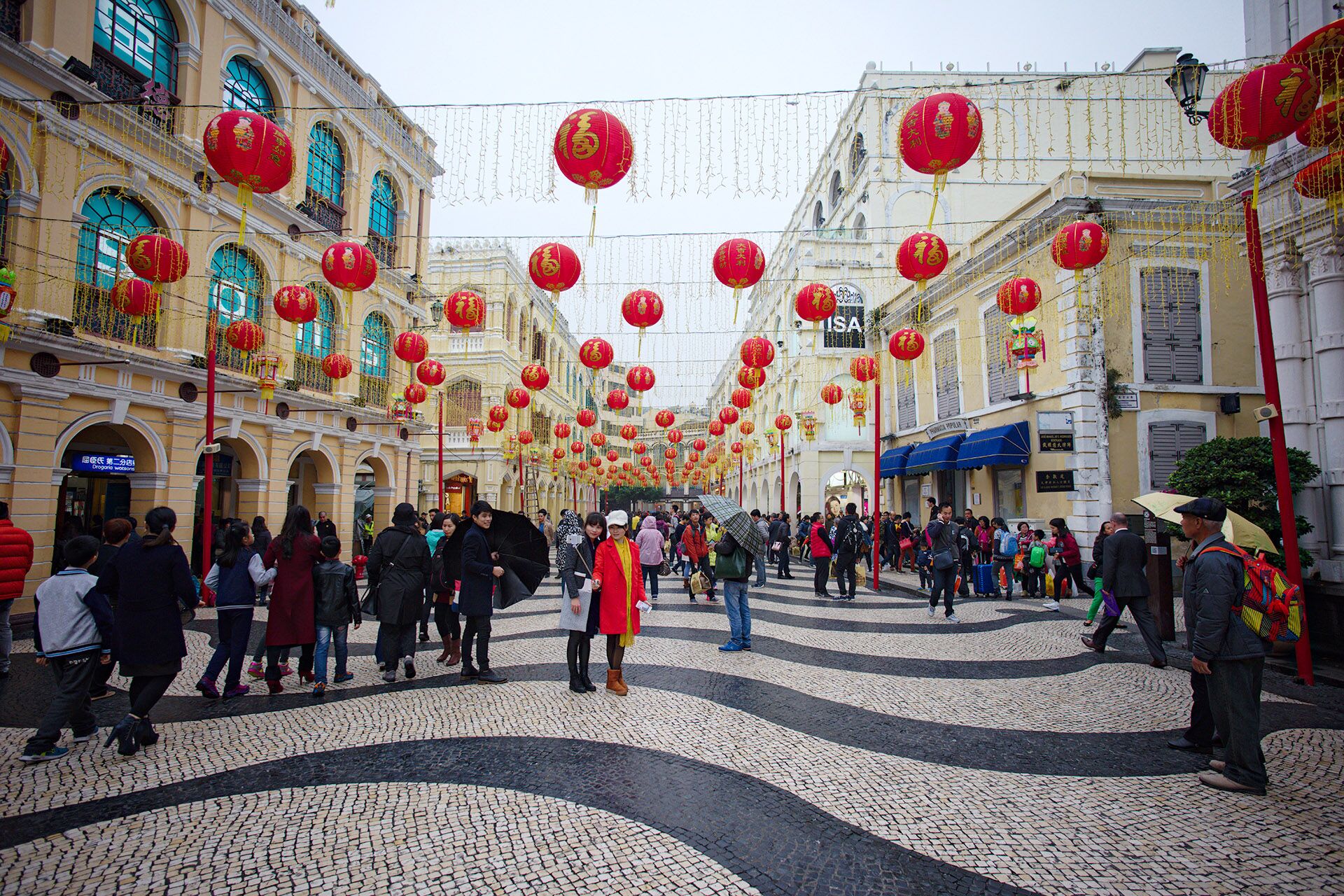
For years, Macau positioned itself not only as Asia’s gaming capital but also as a culinary destination. In one city, fine-dining restaurants, including those recognized by the Michelin Guide, coexisted with more affordable formats featuring Macanese, Portuguese, and signature fusion cuisine to suit different budgets.
In 2018, amid a wave of growth, new venues opened as part of integrated resorts. Along with MGM Cotai and Morpheus, the market saw projects and collaborations with big names, including Pierre Hermé, Alain Ducasse, Mauro Colagreco, and Graham Elliot. This showcase burnished the city’s image, while tourist traffic generated turnover, including for small establishments around the historic center.
Border restrictions caused visitor numbers and revenues to collapse
The COVID-19 pandemic changed the picture quickly. Strict travel restrictions helped Macau keep infection rates low, but all but wiped out inbound tourism. During the October Golden Week holiday, 8,156 visitors came to the city, that is, just over 1,000 people per day, whereas in 2019 the average was estimated at about 140,000 people per day.
The drop in tourist arrivals coincided with a decline in gaming revenue, and for Macau this is a key barometer of economic activity. When casinos earn less, the chain of cutbacks quickly reaches restaurants, from bars to tasting menus in resort dining rooms, and this link is visible even in areas that were previously considered protected thanks to a steady flow of guests.
Another reason for the decline in tourist arrivals was the ramp-up of the online segment—it also coincided with the pandemic, but continued afterward as well. People who enjoy gaming entertainment are increasingly choosing the comfort of playing at home and the ability to play privately. The emergence of mobile online-casino apps further intensified competition. As noted by industry sites that rank highly in search results, thanks to mobile apps the number of visitors has increased significantly.
Online casinos are now focusing on apps for individual games as well. Typically, top new releases are chosen for this. Representatives of a site listing online casinos offering an Andar Bahar casino app emphasize the profitability of this strategy. The app is downloaded constantly and drives traffic.
For land-based casinos, all of this means intensified competition, which exacerbates the already serious problems of Macau’s gaming sector. As a result, literally the entire city suffers.
Tourist streets near Senado Square look like a film set after the shoot has wrapped. At the entrances to former restaurants, notices hang saying the premises are for rent, and on the empty streets near the square, footsteps echo. In such spots, the drop in demand is most noticeable, because they used to live off people who came for one or two days and were ready to spend without thinking twice.
Restaurateurs speak plainly about a shift in the survival model. Raymond Wong, the owner of Henri’s Galley, whose establishment has served Portuguese and Macanese cuisine since the 1970s, describes the situation as follows: “There are no tourists from Hong Kong, and visitors from mainland China are limited, so we can only rely on local customers now.”
Economy and logistics put pressure on menus and prices
The crisis in food service stems from two forces pulling in opposite directions, which reinforce each other:
- economic: fewer guests, a drop in casino revenues, unpaid leave for industry workers, and reduced spending on eating out
- logistical: border rules, reliance on staff from neighboring territories, and foreign staff being unable to enter Macau, which reduces operating hours and the menu lineup
The squeeze on the average check is clearly visible in everyday orders. Lawrence Chen, the owner of Sushi Jiang, gives an illustrative example: “A regular customer who used to often order toro sashimi for lunch now gets fried chicken. Many of our regular guests who worked in casinos and in junkets have now been laid off, and their late lavish orders with French oysters and sea urchin are a thing of the past.” At the market level, this means not only a drop in turnover but also a change in the product mix, where expensive items become rare and budget options move into core demand.
Pressure is also felt by establishments in residential neighborhoods, where the tourism effect has always been weaker. The audience here is mostly local, and Macau’s population is about 660,000 people, so competition for customers has sharply intensified. Mickey Lo, the owner of Toff Cafe, estimates the losses as follows: “Before the pandemic, we were popular with Malaysians and Japanese and lost about 30% of customers. Our regular guests are mostly local, but Macau’s population is relatively small, so when there are almost no visitors, fierce competition for locals begins between restaurants. When a price war starts, few will survive.” At the same time, the depth of discounts is rarely disclosed publicly, and it remains unclear where the line lies between marketing and selling at a loss.
Resorts shut Michelin-starred dining rooms, but new concepts are emerging
Integrated resorts that not long ago were expanding their restaurant lineups are now operating according to an optimization logic. At one pole are closures affecting image-driven projects; at the other is repackaging of brands, not always noticeable to a guest without context. Among the most telling changes:
- City of Dreams: The Tasting Room with two Michelin stars and Shinji by Kanesaka with one star have permanently closed; both were mentioned in the Forbes Travel Guide and the Black Pearl Restaurant Guide
- Galaxy Macau: 8½ Otto e Mezzo Bombana with one Michelin star is temporarily closed; a notice at the entrance says it is following the authorities’ recommendations
- Morpheus: Pierre Hermé Lounge no longer serves its signature desserts and has been renamed Morpheus Lounge; Voyages by Alain Ducasse has become L’attitude
- MGM Cotai: Aji curated by Mitsuharu Tsumura is closed until further notice; collaborations with Mauro Colagreco and Graham Elliot are no longer publicly promoted
Operational disruptions are fueling this wave. Foreign chefs and staff cannot enter Macau, and when a new COVID-19 case is detected, the border with Zhuhai is closed, and staff living in mainland China can’t make it to their shifts. In some establishments, this leads to a paradox where an item remains printed but isn’t actually available, or the restaurant does not open due to a lack of people.
Two private episodes show the problem at the level of the kitchen and everyday life:
- Round The Clock Coffee Shop in Grand Lisboa: a waiter explains the absence of the dish simply, “Our Nepali chef who makes thali isn’t here right now, so it’s not available, even though it’s listed on the menu”
- a restaurant on Avenida de Almeida Ribeiro: an employee describes the dilemma when the border closes, “It’s a choice between where to sleep and earning money. The employer couldn’t arrange housing in Macau, so when the border closes, we stop”
Against this backdrop, the rare relaunches look like an attempt to keep the local audience interested. The Venetian Macao opened Jiang Nan by Jereme Leung; the restaurant is located within the casino and is open to guests aged 21 and over, but, according to market participants, is gradually gaining popularity among locals. Wynn Macau relaunched Golden Flower, where Chef Zhang Zhicheng offered an updated take on modern dishes of Sichuan, Shandong, and Northern Chinese cuisine.
A representative of Wynn Macau formulates the company’s position as follows: “Despite unpredictable situations caused by the pandemic, such as border restrictions and constantly changing guest access to Macau, we have sought to keep our venues open so guests can enjoy them. At Wynn, we have always emphasized top talent in the region and strengthening Macau’s reputation as a UNESCO Creative City of Gastronomy.”